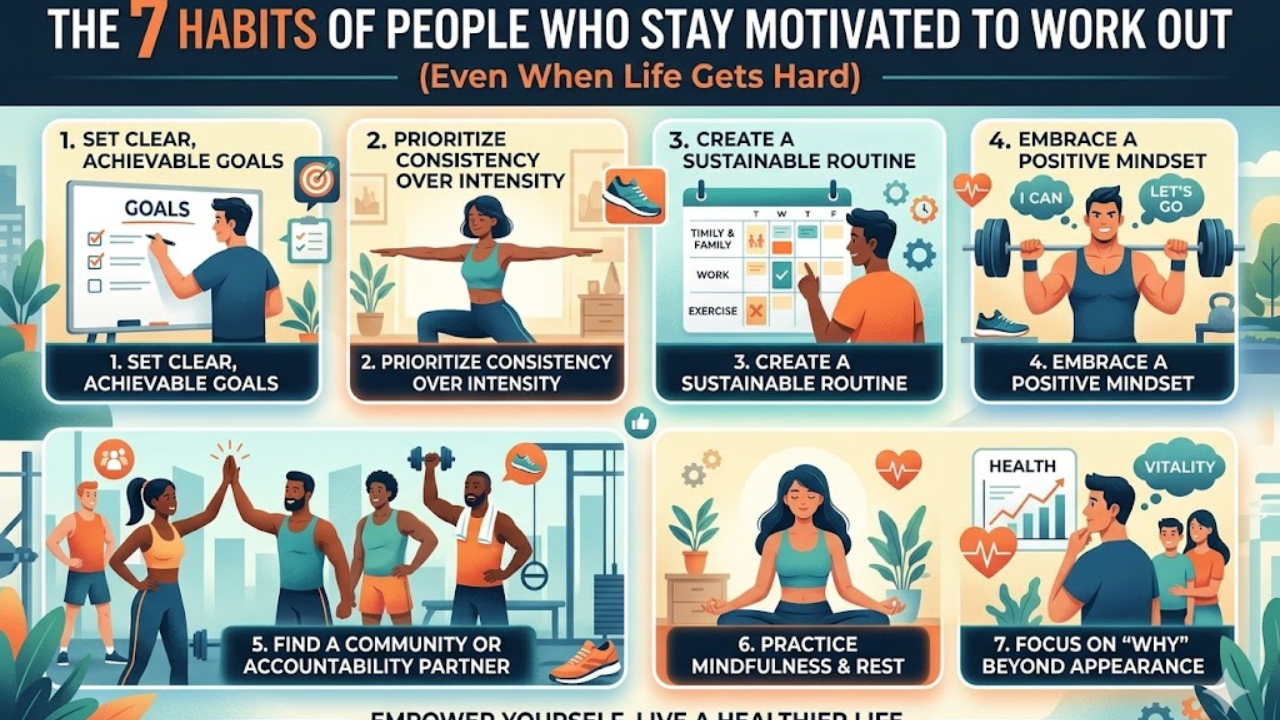
7 Habits of People Who Stay Motivated to Work Out (Even When Life Gets Hard)
7 Habits of People Who Stay Motivated to Work Out 7 Habits of People Who Stay Motivated to Work Out (Even When Life Gets Hard)(Even When Life Gets Hard)
7 Habits of People Who Stay Motivated to Work Out (Even When Life Gets Hard)
7 Habits of People Who Stay Motivated to Work Out (Even When Life Gets Hard)
7 Habits of People Who Stay Motivated to Work Out (Even When Life Gets Hard)
7 Habits of People Who Stay Motivated to Work Out (Even When Life Gets Hard)
7 Habits of People Who Stay Motivated to Work Out (Even When Life Gets Hard)
7 Habits of People Who Stay Motivated to Work Out 7 Habits of People Who Stay Motivated to Work Out (Even When Life Gets Hard)(Even When Life Gets Hard)
7 Habits of People Who Stay Motivated to Work Out (Even When Life Gets Hard)
7 Habits of People Who Stay Motivated to Work Out (Even When Life Gets Hard)
7 Habits of People Who Stay Motivated to Work Out (Even When Life Gets Hard)
7 Habits of People Who Stay Motivated to Work Out (Even When Life Gets Hard)
7 Habits of People Who Stay Motivated to Work Out (Even When Life Gets Hard)
Motivated to Work Out can be challenging when life gets busy, stressful, or overwhelming. The people who stay consistent with fitness don’t rely only on motivation. They build simple habits that help them keep exercising even during difficult times.
Motivation is overrated. It’s also wildly misunderstood — and that misunderstanding is why most people’s fitness efforts follow the same predictable cycle: intense start, early results, declining enthusiasm, eventual abandonment, guilt, repeat.
The people who stay consistent in the gym for years — who train through busy seasons at work, through the winter, through the times when life gets genuinely hard — aren’t operating on some superior level of motivation. They’ve just built systems that make showing up the default behaviour, not a daily negotiation with themselves.
Motivation gets you started. Systems keep you going. Here’s what those systems actually look like.

1. They Schedule Training Like a Non-Negotiable Appointment
Here’s the simplest and most powerful habit on this list. Consistent exercisers don’t decide each morning whether they feel like working out. The session is already in the calendar — a specific time, a specific day — and skipping it carries the same psychological weight as cancelling a meeting with someone else.
This removes the decision entirely. Decision fatigue is real. Every choice you have to make draws on finite mental energy. When your workout is a standing appointment rather than a daily election, you eliminate the space where “maybe I’ll skip today” lives.
Put this into practice right now: Open your calendar and block your next seven workouts. Treat them with the same seriousness as a doctor’s appointment. The time is booked. The only question is what you’ll do during it.
2. They Focus on Process Goals, Not Just Outcomes
“Lose 15kg” is an outcome goal. It’s compelling at the start and becomes a source of quiet frustration as the weeks go by and progress slows, plateaus, or fluctuates for biological reasons entirely outside your control.
Consistently motivated people anchor themselves to process goals — the behaviours they can control completely. Train three times this week. Hit my protein target today. Be in bed by 10:30 pm. These goals don’t depend on how your metabolism is behaving or whether the scale is cooperating. You either did them or you didn’t.
Process goals also create a steady stream of small wins. And small wins are motivational fuel. You feel the momentum building, independent of whether you’ve yet reached the outcome you’re working toward.
3. They Make Starting Stupidly Easy
The biggest barrier to any workout isn’t the workout itself — it’s the friction before the workout. Deciding what to wear. Packing the bag. Figuring out what you’re going to do when you get there.
Consistent exercisers pre-eliminate all of this. Gym bag packed the night before. Workout clothes laid out. Training plan already written. The route to the gym already in their head. When getting started requires zero decisions, the brain runs out of reasons to resist.
You can take this even further. Sleep in your gym clothes if you train first thing in the morning. Put your pre-workout on your nightstand. Set the route on your GPS before you sleep. These tiny rituals sound trivial, but they work precisely because starting small habits is about removing friction, not adding motivation.
4. They Have Stopped Waiting to Feel Ready
This is the shift that separates people who talk about training from people who actually train.
Consistent exercisers have accepted — deeply, not just intellectually — that they will not always feel like working out. Energy dips. Sleep suffers. Work gets stressful. Life makes demands. There will always be a compelling reason to skip.
The shift happens when you stop treating motivation as a prerequisite and start treating training like any other non-negotiable maintenance task. You don’t negotiate with yourself over whether you feel like brushing your teeth. You just do it. The gym, eventually, can occupy that same category — but only if you stop framing it as something you have to feel ready for.
Show up tired. Show up distracted. Show up without enthusiasm. More often than not, the act of starting generates the energy and focus you thought you needed before you started.
5. They Track Progress Obsessively
Progress is motivational. The experience of improving — lifting more, running faster, losing a trouser size, waking up less tired — is intrinsically rewarding in a way that keeps you coming back for more.
But you can only experience progress if you’re measuring it. People who stay consistent over the years almost universally keep some kind of training log. A notebook. A phone app. A spreadsheet. Something that creates a visible record of where they started and where they are now.
Looking back through a training log and seeing that you squatted 30kg more than you did six months ago is profoundly motivating. It also makes the next session feel purposeful — because you know exactly what number you’re trying to beat.
Track lifts. Track body measurements. Track how your clothes fit. Track energy levels and sleep quality. The more variables you measure, the more frequently you find evidence of progress — and evidence of progress sustains effort better than any motivational quote ever written.
6. They Build In Accountability
Humans perform better when someone else knows what they’re doing. This isn’t a character flaw — it’s basic social psychology. And consistent exercisers leverage it deliberately.
Accountability looks different for different people. For some, it’s a training partner who texts if you don’t show. For others,s it’s a paid class where missing means wasting money. For others still it’s posting training logs to an online community, or simply telling a friend their goal out loud.
The specifics matter less than the principle: create a structure where someone other than you knows whether you showed up. The psychological cost of letting that person down — even mildly — is often enough to get you through the door on the days when nothing else would.
If a training partner isn’t practical for you, even keeping a public training log on an app like Strava or Hevy creates a mild but meaningful layer of social accountability.
7. They Adjust Instead of Quitting
Life disrupts every fitness programme eventually. Travel, illness, injury, work pressure, family demands — something will always interrupt the routine you’ve carefully built.
The single biggest behavioural difference between people who stay consistent for years and those who restart every few months is this: when disruption hits, consistent people adjust. They don’t abandon.
A 20-minute hotel room workout while travelling beats nothing. Training three times instead of five during a stressful week beats stopping entirely. A lighter session when you’re under the weather is still a session.
The all-or-nothing mindset is the enemy of long-term consistency. The idea that if you can’t do it perfectly, you shouldn’t do it at all has derailed more fitness journeys than laziness ever has. Progress isn’t a straight line. It’s a series of imperfect steps in a consistent direction. The people who win are simply the ones who keep taking steps, even when those steps are smaller than planned.
Why Willpower Isn’t the Answer
Every one of these seven habits shares a common thread: they reduce the amount of willpower required to stay consistent.
Willpower is finite, depletes throughout the day, and is unreliable when you’re stressed, tired, or emotionally drained — which is precisely when you need it most. Building systems that work around willpower — that make good behaviour the path of least resistance — is the most reliable strategy that exists for long-term fitness.
Stop trying to feel more motivated. Start building a system that works without motivation. These seven habits are the system.
Frequently Asked Questions
What’s the fastest way to build workout consistency? Start smaller than you think you need to. Commit to three sessions per week — never four or five when you’re starting. Consistency at a lower frequency beats inconsistency at a higher one. Add frequency only once; three sessions per week feels automatic.
How do I deal with a completely lost motivation after months off? Don’t try to pick up where you left off. Start fresh at roughly 60% of your previous volume and intensity. The goal of the first two weeks back isn’t fitness — it’s re-establishing the habit. Fitness follows once the habit is solid.
Is it normal to dread the gym even when you’re consistent? Yes. Many consistent exercisers don’t love every session. What they love is how they feel after training, the long-term results, and the identity they’ve built around the habit. The pre-session resistance often never fully disappears — you just get better at going anyway.