You can’t out-crunch a bad diet. That’s the first thing most people get wrong about belly fat — and it costs them months of wasted effort.
Thousands of people are grinding through daily sit-up routines, buying “fat-burning” teas, and cutting entire food groups on faith. None of it is working. The scale hasn’t moved. The waistline hasn’t shrunk. And the frustration is building into a slow, demoralising loop of trying and quitting.
Here’s the uncomfortable truth: belly fat doesn’t respond to tricks. It responds to a small set of consistent, science-backed habits applied over time. No shortcuts. No gimmicks. Just the right fundamentals executed with enough patience to let them work.

This guide covers all of it — the biology behind belly fat, the myths keeping you stuck, and the exact strategies that actually move the needle.
Why Belly Fat Is Different From Other Fat
Before you can effectively lose belly fat, it helps to understand what you’re actually dealing with.
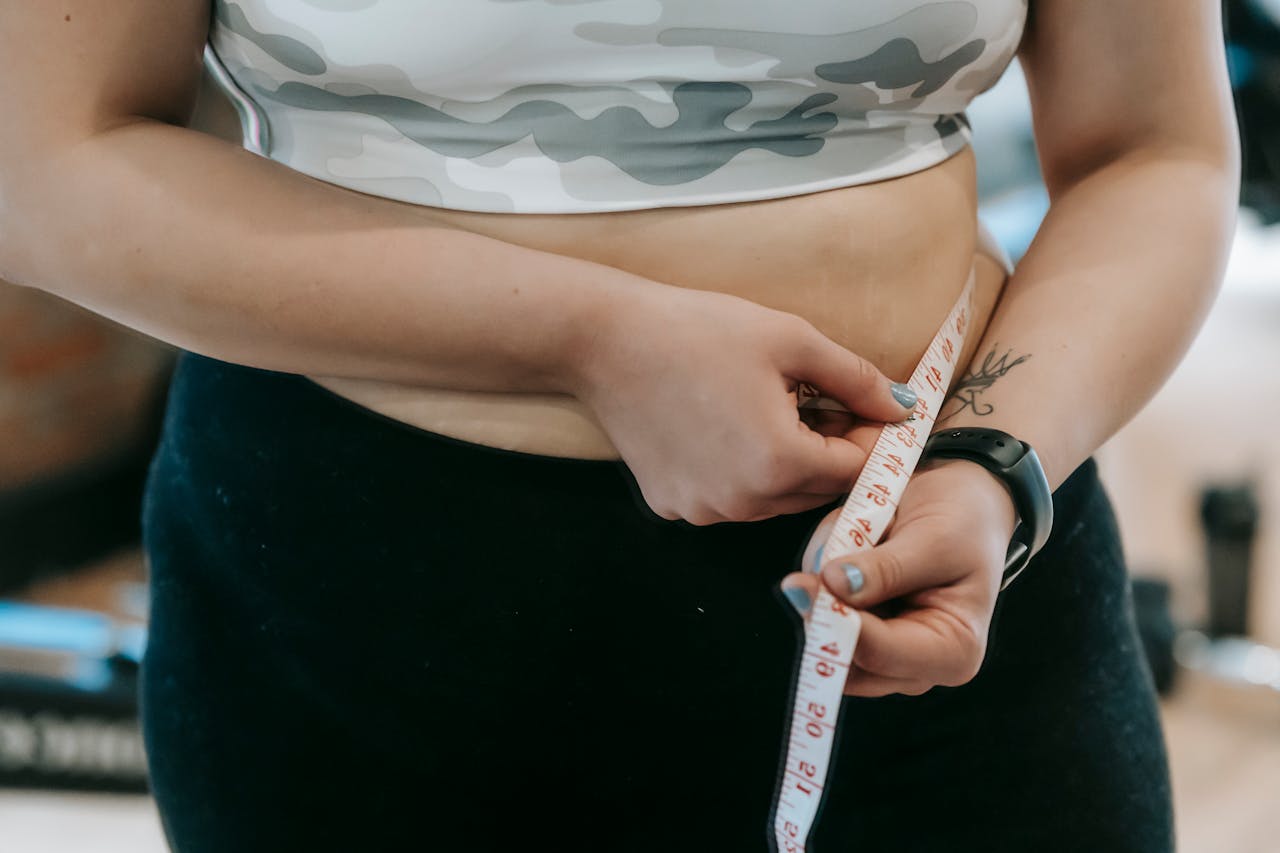
Your body stores fat in two main ways around the midsection. The first is subcutaneous fat — the soft layer you can pinch just beneath the skin. The second, and more significant, is visceral fat — the dense fat stored deep inside your abdominal cavity, wrapped around your organs.
Visceral fat isn’t just a cosmetic concern. It’s metabolically active tissue that releases inflammatory compounds and stress hormones into your bloodstream. High levels of visceral fat are associated with increased risk of type 2 diabetes, cardiovascular disease, and metabolic syndrome.
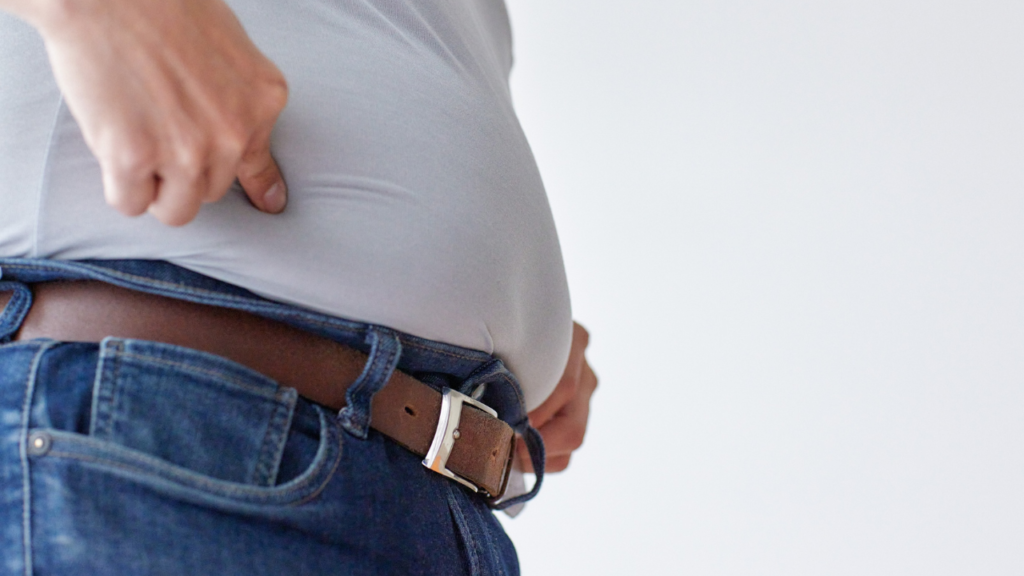
The frustrating part: you can’t always tell how much visceral fat you’re carrying just by looking. Someone with a relatively flat stomach can have dangerous levels of visceral fat, while someone who looks “soft” may carry most of their fat subcutaneously — which is far less harmful.
The good news is this: visceral fat is highly responsive to lifestyle changes. It tends to be one of the first types of fat to decrease when you create a calorie deficit, exercise regularly, reduce stress, and improve sleep. Get those fundamentals right and visceral fat is actually among the easier targets to address.
The Biggest Myths Keeping You Stuck
The fitness industry is built on confusion. The more confused you are, the more products you buy. So let’s cut through the noise.
Myth 1: You can spot-reduce fat from your belly. This is probably the most persistent myth in all of fitness. Doing 500 crunches daily does not burn belly fat specifically. Your body decides where to pull fat from based on genetics, hormones, and overall energy balance — not which muscles you’re working. Ab exercises strengthen the muscles underneath the fat, but the fat itself only goes when you’re in a consistent calorie deficit.
Myth 2: Carbs are the reason you have belly fat. Excess calories cause fat gain — not carbohydrates specifically. If you eat 500 calories more than you burn every day, you’ll gain fat whether those calories come from bread, butter, or broccoli. That said, cutting refined carbs and added sugar is a smart strategy — not because carbs are uniquely fattening, but because refined carbs tend to be calorie-dense, low in fibre, and easy to overeat.
Myth 3: Cardio is the best way to lose belly fat. Cardio helps create a calorie deficit, which contributes to fat loss. But it’s not the superior tool people assume it is. Two to three strength training sessions per week will do more for your long-term body composition than daily treadmill sessions — because building muscle raises your resting metabolic rate, meaning you burn more calories even at rest.
Myth 4: Detox teas and fat burners work. They don’t. Most “fat burning” supplements are either ineffective or marginally effective at best, and are unregulated in most countries. Many rely on caffeine for any measurable effect — which you can get far cheaper and safer from a cup of coffee. Save your money.
Myth 5: You need to eat very little to lose belly fat fast. Severely restricting calories often backfires. It accelerates muscle loss, tanks your energy levels, triggers intense hunger, and causes your body to downregulate its metabolism as a protective response. Aggressive restriction makes the process harder, not faster.
What Actually Works: The Six Proven Strategies
1. Create a Moderate, Sustainable Calorie Deficit
Fat loss — including belly fat loss — requires your body to burn more energy than it takes in. That’s the one mechanism behind every diet that has ever worked.
Aim for a deficit of 300–500 calories below your Total Daily Energy Expenditure (TDEE). At this level, you’ll lose roughly 0.3–0.5kg per week — a rate that’s slow enough to preserve muscle and fast enough to produce visible results within weeks.
Use a free TDEE calculator online to find your maintenance calories, then subtract your target deficit. Track your food intake — at least for the first few weeks — to make sure you’re actually hitting the numbers you think you are. Most people significantly underestimate how much they eat.
2. Prioritise Protein at Every Single Meal
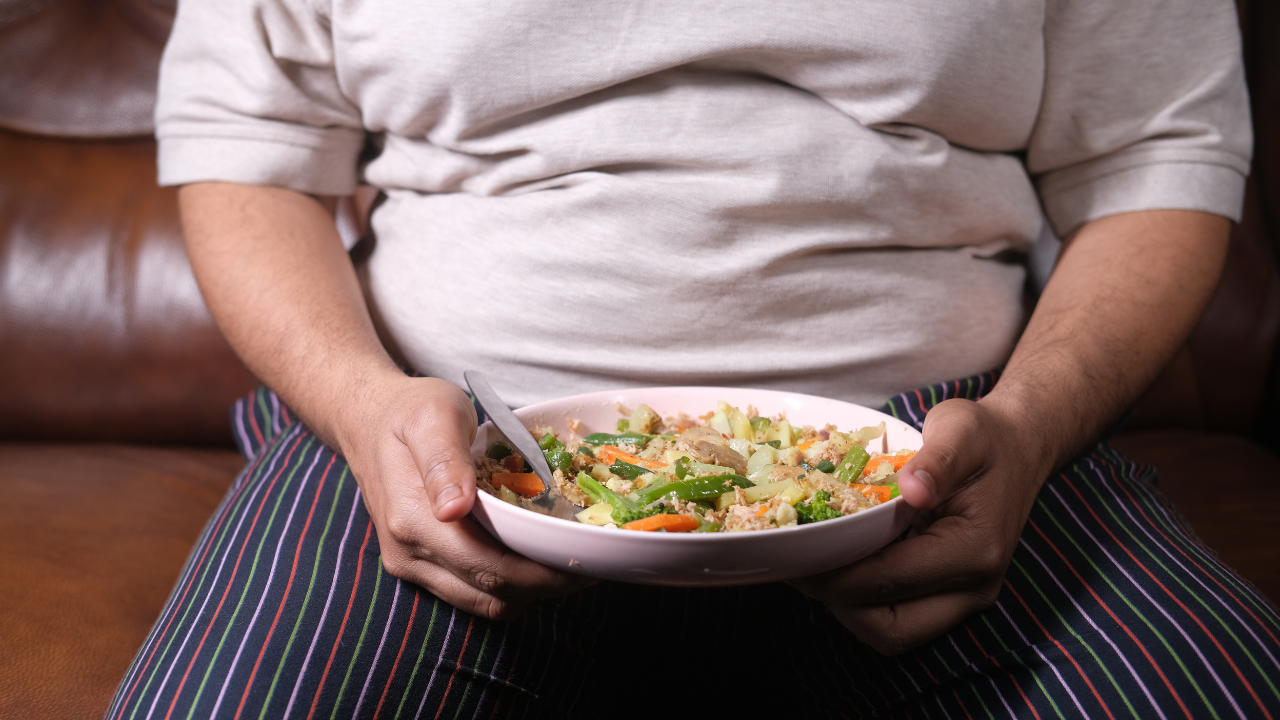
Protein is the single most powerful dietary lever for fat loss. It’s the most satiating macronutrient, meaning it keeps you fuller for longer and reduces the likelihood of overeating. It has a higher thermic effect than carbs or fat — your body burns more calories just digesting it. And it preserves muscle mass during a calorie deficit, which keeps your metabolism from slowing down.
Aim for 1.6–2g of protein per kilogram of bodyweight daily. For a 75kg person, that’s 120–150g of protein spread across three to four meals. Chicken breast, eggs, Greek yogurt, tuna, cottage cheese, and salmon are your most practical options.
3. Eliminate Liquid Calories First
Sodas, fruit juices, flavoured coffees, smoothies, and alcohol are the most overlooked source of hidden calories in most people’s diets. A large latte, a glass of orange juice, and two beers can add up to 600–800 calories — in liquid form, with virtually no satiety benefit.
Switching everything to water, black coffee, and herbal tea is usually the easiest single change someone can make. Most people who do this lose noticeable weight within two weeks without changing anything else.
4. Add Strength Training to Your Routine
You don’t need to become a powerlifter. Two to three full-body resistance training sessions per week — focusing on compound movements like squats, deadlifts, rows, and presses — will meaningfully increase your muscle mass over time. More muscle means a higher resting metabolic rate. More calories burned at rest. And a fundamentally better body composition than cardio alone produces.
If you’ve never lifted before, start with bodyweight exercises or light dumbbells and build from there. Consistency over months matters far more than intensity in the first few weeks.
5. Treat Sleep as a Fat Loss Tool
This is the most underrated factor in the entire conversation about belly fat. When you sleep fewer than seven hours consistently, your body produces more cortisol (a stress hormone that promotes belly fat storage) and more ghrelin (the hunger hormone). You wake up hungrier, more likely to crave calorie-dense foods, and less able to exercise effectively.
Research consistently shows that sleep-deprived individuals lose more muscle and less fat than their well-rested counterparts — even when calorie deficits are identical. Seven to nine hours of quality sleep isn’t optional if you’re serious about losing belly fat.
6. Manage Stress Deliberately
Chronic stress is one of the most direct physiological contributors to belly fat accumulation. Sustained high cortisol levels signal your body to store energy around the midsection — an evolutionary response to perceived threats that has become a modern metabolic liability.
You don’t need to eliminate stress. You need to actively counteract it. Even ten minutes of daily walking, consistent breathwork, or a brief mindfulness practice can measurably reduce cortisol levels over time. The gym itself is one of the most effective stress management tools available — which creates a useful feedback loop.
A Realistic Week of Belly Fat Loss Habits
| Day | Training | Nutrition Focus |
|---|---|---|
| Monday | Strength training — full body | High protein, track intake |
| Tuesday | 30-min walk | Cut liquid calories |
| Wednesday | Strength training — full body | High fibre meals |
| Thursday | Rest or light stretching | Meal prep for rest of week |
| Friday | Strength training — full body | High protein, moderate carbs |
| Saturday | Longer walk or light cardio | Flexible — stay within deficit |
| Sunday | Full rest | Sleep 8 hours |
How Long Does It Actually Take?
Visible belly fat reduction typically takes six to twelve weeks of consistent effort. You can reasonably expect to lose 0.5–1kg per week in a proper deficit. At that rate, meaningful changes are visible within two to three months.
The timeline is slower than most people want to hear. But slow, consistent fat loss — the kind that comes from sustainable habits rather than crash diets — is the kind that stays off. Every person who has successfully lost belly fat and kept it off did it slowly and consistently. Every person who did it fast gained it back.
Patience isn’t a personality trait here. It’s a strategy.
Frequently Asked Questions
Can I lose belly fat without going to the gym? Yes. Diet is responsible for the majority of fat loss. You can lose significant belly fat through diet alone. Exercise — particularly strength training — accelerates the process and improves body composition, but it’s not a prerequisite for fat loss.
What foods specifically help burn belly fat? No food “burns” belly fat. But high-protein, high-fibre foods help you stay full within a calorie deficit, which is the mechanism that actually causes fat loss. Focus on lean proteins, vegetables, legumes, and whole grains.
Is belly fat the last to go? For many people, yes — particularly around the lower abdomen. Fat loss follows a genetically determined pattern. You can’t control the order, but you can control the consistency of your deficit. Keep going long enough and the belly will eventually respond.
How do I know if I’m losing fat or muscle? Track your strength in the gym alongside your weight. If your lifts are staying the same or improving while the scale drops, you’re losing fat. If your strength is dropping sharply alongside the scale, increase protein intake and reduce your deficit slightly.
7 Proven Ways to Lose Belly Fat: What Actually Works and What Doesn't
7 Proven Ways to Lose Belly Fat: What Actually Works and What Doesn't
7 Proven Ways to Lose Belly Fat: What Actually Works and What Doesn't
7 Proven Ways to Lose Belly Fat: What Actually Works and What Doesn't
7 Proven Ways to Lose Belly Fat: What Actually Works and What Doesn't
7 Proven Ways to Lose Belly Fat: What Actually Works and What Doesn't
7 Proven Ways to Lose Belly Fat: What Actually Works and What Doesn't
7 Proven Ways to Lose Belly Fat: What Actually Works and What Doesn't