

Losing weight is easy. Keeping it off is the real challenge.
If you’ve tried strict diets, detox plans, or extreme workout routines, you already know they rarely deliver long-term results. That’s why this guide focuses on what truly works: healthy habits you can maintain for life.
Welcome to 🥗 The Ultimate Guide to Sustainable Weight Loss — your complete roadmap to losing fat safely, improving your health, and maintaining results without burnout.

What Is Sustainable Weight Loss?
Sustainable weight loss means reducing body fat gradually through realistic lifestyle changes that you can maintain long term. It’s not about starving yourself or following extreme trends. It’s about balance, consistency, and smart choices.
Healthy, sustainable weight loss typically means:
- Losing 0.5–1 kg (1–2 pounds) per week
- Preserving lean muscle mass
- Improving energy levels
- Supporting long-term health
When done correctly, sustainable weight loss becomes a lifestyle — not a temporary fix.
Why Quick Fix Diets Fail
Crash diets may promise rapid results, but they often lead to:
- Muscle loss
- Slowed metabolism
- Hormonal imbalances
- Intense cravings
- Weight regain
Extreme calorie restriction signals your body to conserve energy. When you return to normal eating, your metabolism may still be slowed, making weight regain more likely.
🥗 The Ultimate Guide to Sustainable Weight Loss focuses on steady progress instead of drastic measures.
The Science Behind Sustainable Fat Loss
At its core, weight loss requires a calorie deficit — burning more calories than you consume. However, how you create that deficit matters.
Key Factors That Influence Fat Loss
- Food quality
- Protein intake
- Strength training
- Sleep quality
- Stress levels
- Daily movement
By improving these areas, you create an environment where your body can burn fat efficiently without sacrificing health.
Step 1: Build a Balanced, Nutrient-Dense Diet
You don’t need to eliminate entire food groups to lose weight. Instead, focus on balance.
Prioritize Whole Foods
Base your meals around:
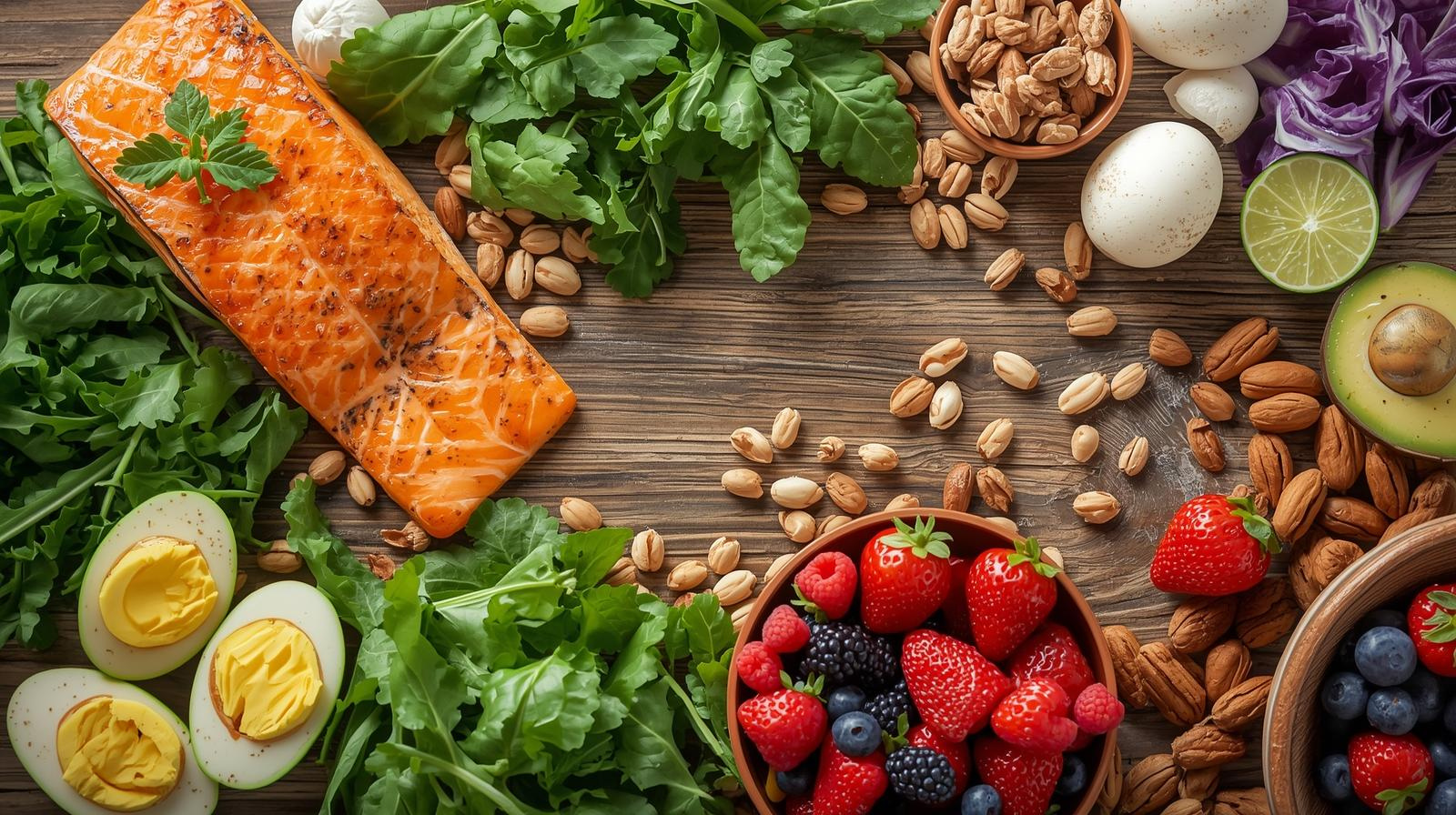
- Lean proteins (chicken, fish, eggs, tofu)
- Vegetables and fruits
- Whole grains
- Healthy fats (olive oil, nuts, seeds)
- Legumes
Whole foods are rich in fiber and nutrients, helping you feel full longer.
Control Portions, Not Food Groups
Rather than banning carbs or fats, adjust portion sizes. Balanced meals prevent cravings and energy crashes.
A sustainable approach makes it easier to stick to your plan for months — and years.

Step 2: Increase Protein Intake
Protein plays a crucial role in sustainable weight loss.
Benefits of a High-Protein Diet
- Reduces hunger
- Preserves muscle mass
- Boosts metabolism
- Supports recovery after exercise
Aim to include protein at every meal. This keeps you satisfied and protects lean muscle while you lose fat.
Muscle is metabolically active tissue — preserving it helps maintain a healthy metabolism.
Step 3: Strength Training for Long-Term Results
Cardio burns calories, but strength training reshapes your body.
Why Strength Training Matters
- Increases muscle mass
- Raises resting metabolic rate
- Improves body composition
- Enhances insulin sensitivity
You don’t need complicated workouts. Focus on compound exercises like:
- Squats
- Lunges
- Push-ups
- Deadlifts
- Rows
Training 3–4 times per week is enough to see significant changes.
In 🥗 The Ultimate Guide to Sustainable Weight Loss, strength training is non-negotiable.
Step 4: Move More Throughout the Day
Exercise is important, but daily movement matters just as much.
Non-exercise activity — like walking, cleaning, and taking the stairs — increases total calorie burn.
Simple Ways to Boost Daily Movement
- Walk 8,000–10,000 steps daily
- Take short walking breaks
- Stand while working
- Park farther away
- Use stairs instead of elevators
Small changes add up significantly over time.
Step 5: Prioritize Sleep
Sleep directly affects fat loss hormones.
Lack of sleep can:
- Increase hunger hormones
- Raise stress levels
- Reduce fat-burning efficiency
- Increase cravings for sugar
Aim for 7–9 Hours Per Night
Improve sleep by:
- Limiting screen time before bed
- Keeping your room cool and dark
- Following a consistent sleep schedule
Quality sleep supports every aspect of sustainable weight loss.
Step 6: Manage Stress Effectively
Chronic stress increases cortisol, which can contribute to belly fat storage.
High stress often leads to:
- Emotional eating
- Reduced motivation
- Poor sleep
- Inconsistent workouts
Healthy Stress Management Tools
- Meditation
- Deep breathing
- Journaling
- Spending time outdoors
- Regular physical activity
Managing stress makes it easier to stay consistent with healthy habits.
Step 7: Avoid Extreme Calorie Restriction
Cutting too many calories can slow your metabolism and increase hunger.
Instead, aim for a moderate deficit of 300–500 calories per day. This supports steady fat loss without overwhelming your body.
Slow and steady truly wins the race.
Step 8: Stay Consistent, Not Perfect
Perfection isn’t required for sustainable weight loss.
Occasional indulgences won’t ruin progress. What matters most is long-term consistency.
Follow the 80/20 Approach
- 80% whole, nutrient-dense foods
- 20% flexibility for enjoyment
This balanced method reduces feelings of restriction and helps prevent binge eating.
🥗 The Ultimate Guide to Sustainable Weight Loss emphasizes progress over perfection.
Tracking Progress the Right Way
The scale doesn’t tell the full story.
Weight fluctuates daily due to:
- Water retention
- Hormones
- Sodium intake
Track additional metrics such as:
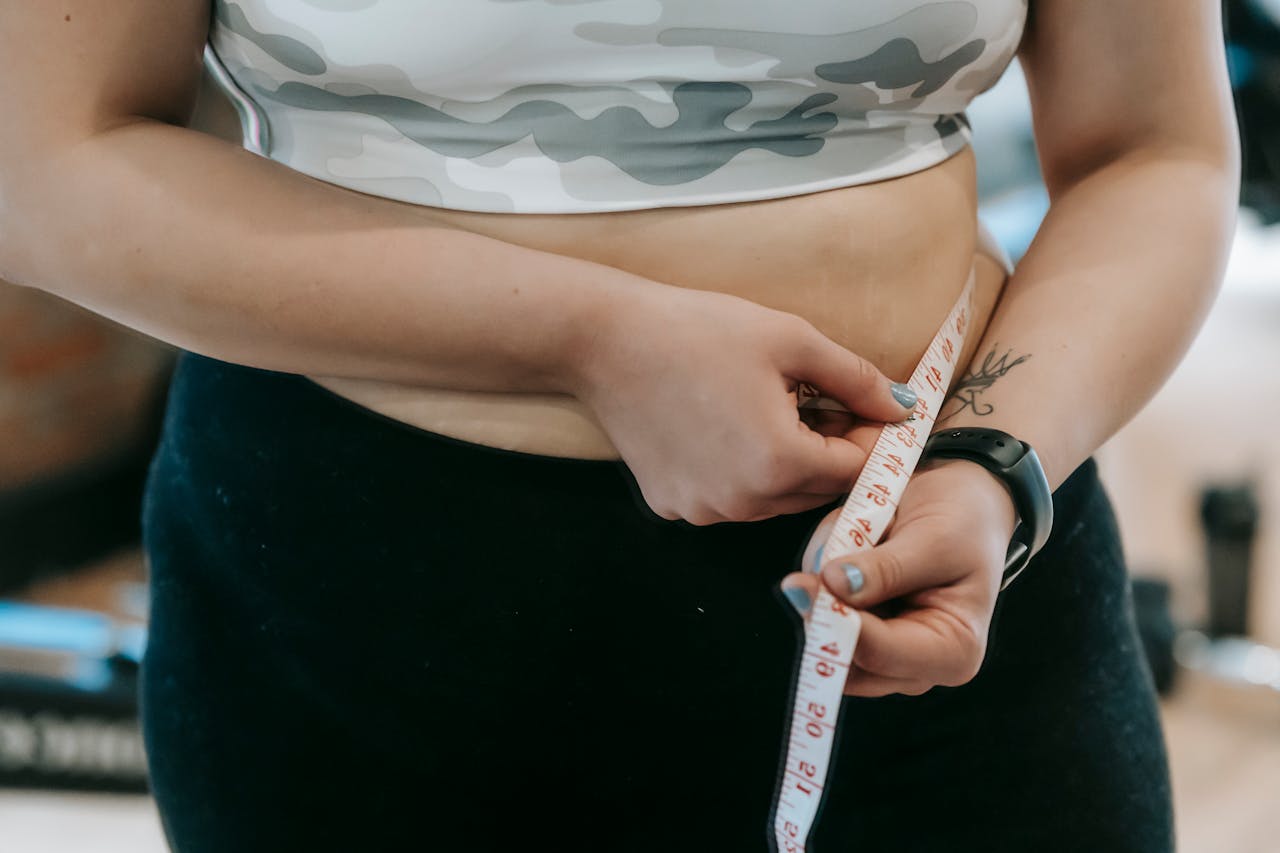
- Waist circumference
- Progress photos
- Strength improvements
- How clothes fit
- Energy levels
Sustainable fat loss improves body composition — not just scale weight.

How Long Does Sustainable Weight Loss Take?
Healthy fat loss takes time. Losing 4–8 pounds per month is realistic and maintainable.
It may seem slower than extreme methods, but sustainable weight loss reduces the risk of regaining weight.
Remember: the goal isn’t just to lose weight. It’s to keep it off for good.
Common Mistakes to Avoid
Even with the best intentions, certain habits can slow progress:
- Skipping meals
- Drinking sugary beverages
- Ignoring strength training
- Not eating enough protein
- Sleeping less than 6 hours
Avoiding these mistakes can significantly improve your results.
Final Thoughts
🥗 The Ultimate Guide to Sustainable Weight Loss is not about quick fixes. It’s about building habits that support long-term health.
By focusing on:
- Balanced nutrition
- High-protein meals
- Strength training
- Daily movement
- Quality sleep
- Stress management
You can lose fat steadily while improving your overall well-being.
Sustainable weight loss isn’t dramatic — it’s consistent. And consistency creates lasting transformation.
Frequently Asked Questions (FAQ)
1. What is the safest rate of weight loss?
A safe and sustainable rate is 1–2 pounds (0.5–1 kg) per week. This pace supports fat loss while preserving muscle mass.
2. Do I need to cut out carbs for sustainable weight loss?
No. Carbohydrates can be part of a balanced diet. Focus on whole-food carb sources and portion control instead of elimination.
3. How important is exercise for long-term fat loss?
Exercise is important, especially strength training. It helps preserve muscle, boost metabolism, and improve overall health.
4. Why do I regain weight after dieting?
Extreme dieting slows metabolism and increases hunger hormones. Sustainable habits prevent rebound weight gain.
5. Can I lose weight without going to the gym?
Yes. Bodyweight workouts and daily walking can be effective. Consistency matters more than location.
6. How do I stay motivated long term?
Set realistic goals, track non-scale victories, celebrate progress, and focus on building habits rather than chasing rapid results.
By applying the principles in 🥗 The Ultimate Guide to Sustainable Weight Loss, you can build a healthier lifestyle that supports lasting fat loss and long-term success.
Pingback: How to Build Muscle the Right Way (Complete Guide)