
If you’re new to fitness and want to build muscle for beginners, the process may seem confusing at first. Many people think building muscle requires complicated workout plans, expensive supplements, or hours in the gym every day.
The truth is much simpler.
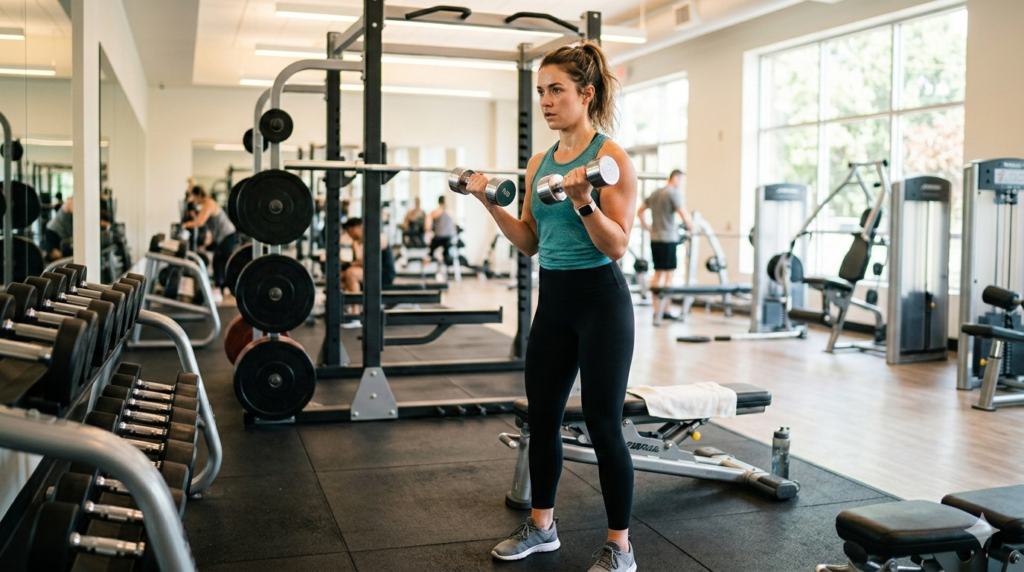
With the right training routine, balanced nutrition, proper recovery, and consistency, beginners can start seeing noticeable muscle growth within a few weeks. This guide explains everything you need to know to start building muscle the right way.
Whether your goal is to get stronger, improve your health, or transform your body, this build muscle for beginners guide will help you start confidently.
[Insert Featured Image Here – Beginner Strength Training Workout]
What Does It Mean to Build Muscle?
Before starting a workout routine, it helps to understand how muscle growth actually works.
Muscle growth, also called muscle hypertrophy, happens when you challenge your muscles through resistance training. When muscles are stressed during exercise, small microscopic tears occur in the muscle fibers.
Your body repairs these fibers during rest, making them stronger and slightly larger.
Three main factors drive muscle growth:
- Resistance training
- Proper nutrition
- Recovery and sleep
Without all three, muscle growth slows down or stops completely.
That is why beginners should focus on balanced training and recovery, not just working out harder.
Why Beginners Gain Muscle Faster
One interesting fact is that beginners often gain muscle faster than experienced lifters. This is known as “newbie gains.”
When your body is new to strength training, it adapts quickly to the new stimulus.
Benefits beginners often experience include:
- Faster muscle growth
- Increased strength
- Improved metabolism
- Better posture
- Higher energy levels
This early progress can last for the first 6–12 months of training.
That makes it the perfect time to establish a consistent fitness routine.
Benefits of Building Muscle
Building muscle is not just about appearance. It has many health benefits.
1. Improves Metabolism
Muscle burns more calories than fat. The more muscle you have, the higher your resting metabolism becomes.
2. Strengthens Bones
Resistance training improves bone density and reduces the risk of osteoporosis.
3. Improves Posture
Stronger muscles support better posture and reduce back pain.
4. Boosts Confidence
Seeing physical progress often improves confidence and mental well-being.
5. Supports Fat Loss
Muscle growth helps your body burn more calories even while resting.
How Beginners Should Start Building Muscle
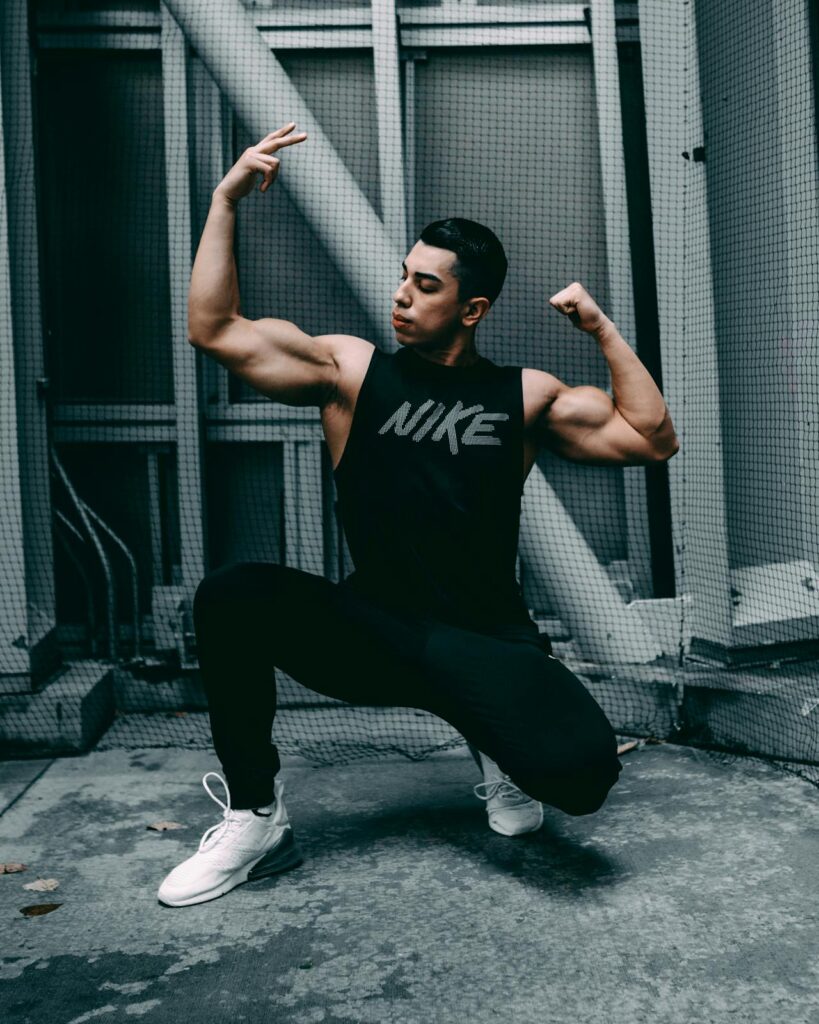
The key to success is starting simple.
Many beginners fail because they overcomplicate their workouts. A basic plan works best.
Step 1: Focus on Strength Training
Strength training is the most effective way to build muscle.
Beginner workouts should include compound exercises, which train multiple muscles at once.
Examples include:
- Squats
- Push-ups
- Bench press
- Pull-ups
- Deadlifts
- Shoulder press
Compound movements allow you to build strength faster and train your whole body efficiently.
Step 2: Train 3–4 Days Per Week
You do not need to train every day.
A simple schedule works well for beginners.
Example beginner workout schedule:
Day 1 – Full Body Workout
- Squats
- Push-ups
- Dumbbell rows
- Plank
Day 2 – Rest or light activity
Day 3 – Full Body Workout
- Deadlifts
- Bench press
- Shoulder press
- Lunges
Day 4 – Rest
Day 5 – Full Body Workout
Repeat the cycle.
This allows muscles enough time to recover and grow.
Step 3: Use Progressive Overload
Muscles grow when you gradually increase the challenge.
This concept is called progressive overload.
Ways to apply it include:
- Increasing weights
- Adding more repetitions
- Increasing workout sets
- Improving exercise intensity
Even small improvements each week can lead to significant muscle growth over time.
Best Exercises to Build Muscle for Beginners

Beginners should focus on foundational exercises that train the entire body.
Squats
Squats are one of the best lower-body exercises.
They target:
- Quadriceps
- Glutes
- Hamstrings
- Core
Bodyweight squats are perfect for beginners before adding weights.
Push-Ups
Push-ups strengthen:
- Chest
- Shoulders
- Triceps
- Core
If push-ups are difficult at first, start with knee push-ups.
Deadlifts
Deadlifts are excellent for building total body strength.
They target:
- Lower back
- Glutes
- Hamstrings
- Core
- Upper back
Beginners should learn proper form before increasing weight.
Pull-Ups
Pull-ups build upper body strength.
They target:
- Back
- Biceps
- Shoulders
Assisted pull-up machines or resistance bands can help beginners perform this exercise.
Shoulder Press
Shoulder presses build strong shoulders and upper body stability.
You can perform them using:
- Dumbbells
- Barbells
- Resistance bands
[Insert Image Here – Beginner Weight Training Exercises]
Nutrition for Building Muscle
Training alone is not enough.
Your muscles need the right nutrients to grow.
Increase Protein Intake
Protein is the building block of muscle.
Good protein sources include:
- Chicken
- Eggs
- Fish
- Greek yogurt
- Beans
- Lentils
- Tofu
- Protein shakes
A general guideline is 1.6–2.2 grams of protein per kilogram of body weight per day.
Eat Enough Calories
Muscle growth requires energy.
If you eat too little, your body cannot build new muscle.
Focus on a balanced diet that includes:
- Protein
- Healthy fats
- Complex carbohydrates
Choose Quality Carbohydrates
Carbohydrates provide the energy needed for intense workouts.
Healthy options include:
- Oats
- Brown rice
- Sweet potatoes
- Whole grains
- Fruits
- Vegetables
Stay Hydrated
Water plays a major role in muscle performance and recovery.
Drink plenty of water before, during, and after workouts.
Importance of Rest and Recovery
Many beginners overlook recovery.
However, muscles grow during rest, not during workouts.
Important recovery habits include:
Sleep
Aim for 7–9 hours of sleep per night.
Sleep supports muscle repair and hormone balance.
Rest Days
Taking rest days prevents overtraining and reduces injury risk.
Stretching
Stretching improves flexibility and helps muscles recover faster.
Common Beginner Mistakes
Avoiding common mistakes can speed up progress.
Training Too Hard Too Soon
Beginners often start with very intense workouts.
This can cause injury or burnout.
Start with manageable workouts and increase intensity gradually.
Ignoring Nutrition
Working out without proper nutrition slows muscle growth.
Focus on balanced meals and enough protein.
Skipping Rest Days
Rest days are essential for muscle recovery.
Without rest, muscles cannot repair and grow.
Poor Exercise Form
Bad form increases injury risk.
Learning correct technique is more important than lifting heavy weights.
How Long Does It Take to See Muscle Growth?
Muscle growth takes time and consistency.
Beginners often notice:
- Increased strength in 2–4 weeks
- Visible muscle changes in 6–8 weeks
- Significant progress in 3–6 months
Consistency is the most important factor.
Small improvements every week lead to long-term results.
Sample Beginner Muscle-Building Workout Plan
Here is a simple weekly routine for beginners.
Day 1 – Upper Body
- Push-ups – 3 sets
- Dumbbell rows – 3 sets
- Shoulder press – 3 sets
- Biceps curls – 3 sets
Day 2 – Lower Body
- Squats – 3 sets
- Lunges – 3 sets
- Deadlifts – 3 sets
- Calf raises – 3 sets
Day 3 – Rest
Light walking or stretching.
Day 4 – Full Body
- Push-ups
- Squats
- Pull-ups
- Plank
Day 5 – Rest
Repeat the cycle next week.
Supplements for Beginners (Optional)
Supplements are not required but can support muscle growth.
Common beginner supplements include:
Protein Powder
Helps meet daily protein needs.
Creatine
Creatine improves strength and muscle performance.
Multivitamins
Supports overall health and recovery.
Always focus on nutrition first before supplements.
Tips to Stay Consistent
Building muscle is a long-term process.
Some simple habits can help maintain consistency.
- Set realistic fitness goals
- Track workouts and progress
- Follow a structured routine
- Train with a friend
- Focus on gradual improvement
Consistency over months and years produces the best results.
Final Thoughts
Starting a fitness journey can feel overwhelming, but it does not have to be complicated.
If you follow the fundamentals of strength training, proper nutrition, and recovery, you can successfully build muscle for beginners and create long-term healthy habits.
Remember that muscle growth takes time. Progress may seem slow at first, but consistent effort will lead to noticeable results.
Start with simple workouts, eat balanced meals, prioritize rest, and keep improving each week.
With patience and dedication, anyone can build strength and transform their body.
Frequently Asked Questions (FAQ)
How often should beginners work out to build muscle?
Beginners should train 3–4 times per week using strength training exercises. This allows enough stimulus for muscle growth while still giving the body time to recover.
Can beginners build muscle at home?
Yes. Many effective exercises such as push-ups, squats, lunges, and planks can be done at home without equipment. Resistance bands or dumbbells can further increase intensity.
Do beginners need supplements to build muscle?
No. Supplements are optional. A balanced diet with enough protein, carbohydrates, and healthy fats is usually sufficient for muscle growth.
How much protein do beginners need?
Most beginners should aim for 1.6–2.2 grams of protein per kilogram of body weight daily to support muscle recovery and growth.
Is cardio bad for muscle growth?
No. Moderate cardio improves heart health and endurance. However, excessive cardio may interfere with muscle-building goals if it reduces recovery or calorie intake.
How long should beginner workouts last?
Beginner workouts typically last 45–60 minutes, including warm-up and cool-down exercises. Consistency and proper intensity matter more than workout length.