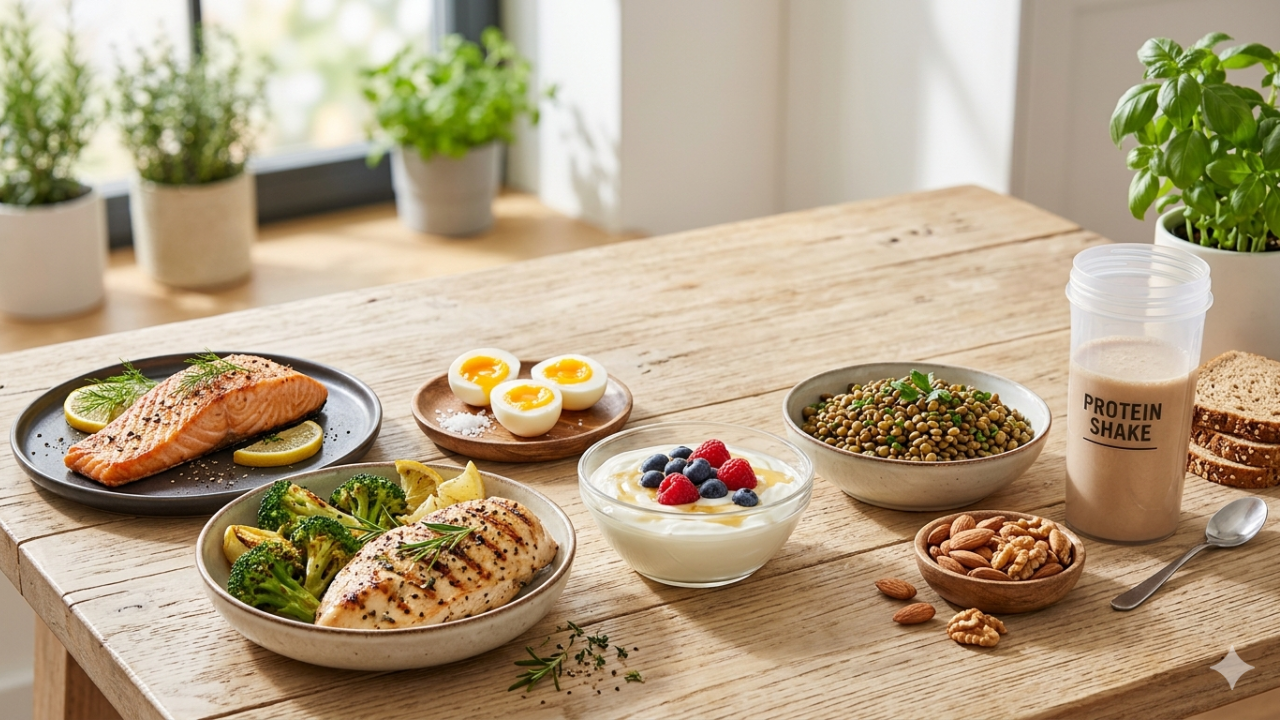
Muscle loss can sneak up on you. It happens during weight loss, long periods of inactivity, aging, or even just not eating the right nutrients. The good news is that your diet plays a huge role in protecting your muscles. And that’s where High-Protein Foods come in.
Protein isn’t just for bodybuilders. It’s essential for anyone who wants to stay strong, maintain a healthy metabolism, and feel energized. If you’re trying to prevent muscle loss, the right high-protein choices can make all the difference.
Let’s break it down in a simple, practical way so you can actually use this in your daily life.
Why High-Protein Foods Matter for Muscle Preservation
Your muscles are constantly being broken down and rebuilt. This process is called muscle protein turnover. When your body doesn’t get enough protein, or when breakdown exceeds repair, you start losing muscle.
That’s why eating enough High-Protein Foods is critical.
Key Benefits of Protein for Muscle Health
- Supports muscle repair and growth
- Reduces muscle breakdown
- Helps maintain strength during weight loss
- Keeps you feeling full longer
- Boosts metabolism slightly
As you age, protein becomes even more important. Muscle loss, known as sarcopenia, naturally increases over time, but a protein-rich diet can slow it down significantly.
How Much Protein Do You Really Need?
This is where people often get confused.
A general guideline:
- Sedentary adults: 0.8g per kg of body weight
- Active individuals: 1.2–2.0g per kg
- Fat loss or muscle preservation: closer to 1.6–2.2g per kg
For example, if you weigh 70 kg (about 154 lbs), aiming for around 110–150g of protein daily is a solid range if you’re trying to prevent muscle loss.
Spacing protein throughout the day matters too. Instead of eating most of it at dinner, spread it across meals.
Best High-Protein Foods to Prevent Muscle Loss
Let’s get into the foods that actually help. These are practical, easy-to-find options you can start using right away.
1. Lean Meats
Lean meats are one of the most effective High-Protein Foods for muscle preservation.
Examples:
- Chicken breast
- Turkey
- Lean beef
- Pork tenderloin
These foods are rich in complete protein, meaning they contain all essential amino acids your body needs.
Why they work:
They’re high in leucine, an amino acid that directly triggers muscle growth and repair.
2. Eggs
Eggs are simple, affordable, and incredibly effective.
- One egg has about 6–7g of protein
- The yolk contains important nutrients and healthy fats
Why they work:
Eggs provide high-quality protein that your body absorbs easily. They’re also great anytime of day, not just breakfast.
3. Greek Yogurt
Greek yogurt is thicker than regular yogurt and packs more protein.
- Around 15–20g of protein per serving
Why it works:
It contains both fast- and slow-digesting proteins, which helps support muscle repair over time.
Tip:
Go for plain versions to avoid added sugars.
4. Fish and Seafood
Fish is another excellent source of High-Protein Foods, plus it comes with added health benefits.
Top choices:
- Salmon
- Tuna
- Sardines
- Shrimp
Why they work:
They’re rich in omega-3 fatty acids, which may help reduce muscle loss and inflammation.
5. Cottage Cheese
Cottage cheese is often overlooked, but it’s a powerhouse.
- About 25g of protein per cup
Why it works:
It contains casein protein, which digests slowly and supports muscle recovery overnight.
Perfect before bed.
6. Legumes (Plant-Based Protein)
If you prefer plant-based options, legumes are a great choice.
Examples:
- Lentils
- Chickpeas
- Black beans
- Kidney beans
Why they work:
They provide protein along with fiber, which supports digestion and keeps you full.
Pair them with grains like rice to get a complete amino acid profile.
7. Protein-Rich Nuts and Seeds
Nuts and seeds are small but powerful.
Examples:
- Almonds
- Chia seeds
- Pumpkin seeds
- Sunflower seeds
Why they work:
They provide protein, healthy fats, and essential minerals.
They’re also great for snacking on the go.
8. Tofu and Tempeh
These are popular plant-based protein sources made from soy.
- Tofu: around 10g protein per serving
- Tempeh: up to 20g protein per serving
Why they work:
They’re complete protein sources and very versatile in cooking.
9. Protein Shakes and Supplements
Sometimes food alone isn’t enough, especially if you have a busy lifestyle.
Common options:
- Whey protein
- Plant-based protein powders
Why they work:
They’re convenient and help you hit your daily protein goals without extra effort.
10. Whole Grains with Protein
Grains aren’t usually thought of as protein-rich, but some offer a decent amount.
Examples:
- Quinoa
- Oats
- Brown rice
Why they work:
They provide a combination of carbs and protein, supporting energy and muscle recovery.

Best Times to Eat High-Protein Foods
Timing isn’t everything, but it does help.
Spread Protein Throughout the Day
Aim for 20–40g of protein per meal.
After Workouts
Your muscles are more receptive to nutrients after exercise. A protein-rich meal or shake can support recovery.
Before Bed
Slow-digesting proteins like cottage cheese or casein can help prevent overnight muscle breakdown.
Common Mistakes That Lead to Muscle Loss
Even if you’re eating High-Protein Foods, a few mistakes can still hold you back.
1. Not Eating Enough Calories
If you’re in too large of a calorie deficit, your body may break down muscle for energy.
2. Skipping Meals
Long gaps without protein intake can increase muscle breakdown.
3. Ignoring Strength Training
Diet alone isn’t enough. Muscles need a reason to stay.
4. Relying Only on Supplements
Whole foods should always be the foundation.
Simple Daily High-Protein Meal Plan Example
Here’s how a day might look:
Breakfast:
Eggs with whole-grain toast and Greek yogurt
Lunch:
Grilled chicken salad with quinoa
Snack:
Almonds and a protein shake
Dinner:
Salmon with brown rice and vegetables
Before Bed:
Cottage cheese
This kind of structure helps maintain steady protein intake throughout the day.
Tips to Easily Add More Protein to Your Diet
Sometimes it’s not about changing everything, just tweaking what you already eat.
- Add eggs to breakfast
- Swap regular yogurt for Greek yogurt
- Include a protein source in every meal
- Snack on nuts or cheese instead of chips
- Use protein powder in smoothies
Small changes add up quickly.
Final Thoughts
Preventing muscle loss isn’t complicated, but it does require consistency. Eating enough High-Protein Foods is one of the most effective steps you can take.
Focus on real, whole foods first. Spread your protein intake throughout the day. Pair it with regular strength training. That combination is what really protects your muscles over time.
You don’t need perfection. Just steady habits that you can stick with.
FAQ: High-Protein Foods and Muscle Loss
1. What are the best high-protein foods for preventing muscle loss?
Lean meats, eggs, Greek yogurt, fish, cottage cheese, legumes, and tofu are some of the best options.
2. How much protein do I need daily to prevent muscle loss?
Most people benefit from 1.2 to 2.2 grams of protein per kilogram of body weight, depending on activity level and goals.
3. Can I prevent muscle loss without exercise?
Protein helps, but resistance training is important for maintaining muscle. Without it, results are limited.
4. Are plant-based high-protein foods effective?
Yes, especially when you combine different sources like beans and grains to get all essential amino acids.
5. Is too much protein harmful?
For most healthy people, high protein intake is safe. However, balance is still important, and extremely high intake isn’t necessary.
6. What is the best time to eat protein?
Spread it throughout the day, especially after workouts and before bed for optimal muscle support.
If you stay consistent with your protein intake and keep things simple, your body will respond. It’s not about doing everything perfectly. It’s about doing the basics well, every day.