Are you searching for a weight loss plan that actually delivers results? You’re not alone. Millions of people want to lose weight fast — but most plans are either too complicated, too expensive, or simply don’t work.
In this guide, you’ll get a clear, realistic, and science-backed weight loss plan designed to help you shed up to 20 pounds in 30 days. No crash diets. No extreme workouts. Just smart, sustainable steps that work.
Let’s get started.
Is It Really Possible to Lose 20 Pounds in 30 Days?
The short answer: Yes — but results vary based on your starting weight, metabolism, and consistency.
A safe and healthy weight loss rate is 1–2 pounds per week, according to most health professionals. However, people who are significantly overweight or who follow an aggressive (but healthy) plan can see faster results in the first month — especially when combining diet, exercise, and lifestyle changes.
This weight loss plan is designed to maximize your results while keeping your body healthy and energized throughout the journey.
Step 1: Set a Clear Weight Loss Goal
Every successful weight loss plan starts with a specific, measurable goal. Vague goals like “I want to lose weight” rarely lead to action.
Instead, try this formula:
- Specific: “I want to lose 20 pounds.”
- Time-bound: “I will do this in 30 days.”
- Trackable: “I will weigh myself every Monday morning.”
Write your goal down and place it somewhere you’ll see every day — on your mirror, your phone wallpaper, or your refrigerator. This simple habit dramatically increases your chance of success.
Step 2: Calculate Your Daily Calorie Deficit
Weight loss comes down to one fundamental principle: burn more calories than you consume. This is called a calorie deficit.
To lose 1 pound of fat, you need to burn approximately 3,500 more calories than you eat. To lose 20 pounds, you need a total deficit of around 70,000 calories over 30 days — or roughly 2,333 calories per day.
That sounds like a lot, but here’s how to break it down safely:
- Reduce food intake by 500–800 calories/day
- Burn an additional 300–500 calories/day through exercise
- Boost metabolism through better sleep and hydration
Use a free calorie-tracking app like MyFitnessPal or Cronometer to monitor your daily intake without guessing.
Step 3: Follow a Clean, High-Protein Diet
The food you eat is the most important part of any weight loss plan. You cannot out-exercise a bad diet.
Foods to Eat
- Lean proteins: Chicken breast, turkey, eggs, Greek yogurt, tuna, tofu
- Vegetables: Broccoli, spinach, kale, zucchini, cucumbers, bell peppers
- Healthy fats: Avocado, olive oil, almonds, chia seeds
- Complex carbs: Sweet potato, oats, brown rice, quinoa
- Fruits: Berries, apples, grapefruit, watermelon
Foods to Avoid
- Sugary drinks (soda, juice, energy drinks)
- White bread, pasta, and processed grains
- Fried and fast food
- Alcohol and high-calorie snacks
- Packaged sweets and desserts
Sample Daily Meal Plan
- Breakfast: 2 scrambled eggs + spinach + black coffee or green tea
- Lunch: Grilled chicken salad with olive oil and lemon
- Snack: Apple + 10 almonds
- Dinner: Baked salmon + steamed broccoli + ½ cup brown rice
- Evening: Greek yogurt or a small protein shake (optional)
This meal structure keeps you full, energized, and in a calorie deficit — the foundation of a powerful weight loss plan.
Step 4: Build a Simple 30-Day Workout Routine
You don’t need a gym membership or complicated equipment to lose weight. A consistent home workout routine can burn hundreds of calories a day.
Week 1–2: Build the Habit (30 Minutes/Day)
- 20-minute brisk walk or jog
- 10-minute bodyweight circuit (squats, push-ups, lunges, planks)
Week 3–4: Increase Intensity (45 Minutes/Day)
- 30-minute cardio (running, cycling, jump rope, or HIIT)
- 15-minute strength training (resistance bands or dumbbells)
HIIT (High-Intensity Interval Training) is especially powerful for fat burning. Just 20 minutes of HIIT can burn more calories than 45 minutes of steady-state cardio.
Aim for at least 5 workout days per week. Rest days are important too — they allow your muscles to recover and prevent burnout.
Step 5: Drink More Water (This Matters More Than You Think)
Most people underestimate the role water plays in a successful weight loss plan. Staying hydrated boosts your metabolism, reduces hunger, and helps your body burn fat more efficiently.
Here’s a simple hydration rule: drink at least 8–10 glasses (2–2.5 liters) of water per day.
Tips to drink more water:
- Start every morning with a large glass of water before coffee
- Carry a reusable water bottle everywhere
- Add lemon, cucumber, or mint for flavor
- Drink a glass of water before every meal to reduce appetite
Step 6: Prioritize Sleep and Reduce Stress
Here’s a fact most people ignore: poor sleep and high stress can sabotage your weight loss plan.
When you’re sleep-deprived, your body produces more of the hunger hormone ghrelin, making you crave high-calorie foods. Chronic stress raises cortisol, which encourages fat storage — especially around the belly.
To support your weight loss goals:
- Aim for 7–9 hours of quality sleep per night
- Avoid screens for 30 minutes before bed
- Practice daily stress-relief: walking, meditation, deep breathing, or journaling
- Avoid late-night snacking — it disrupts sleep and adds calories
Step 7: Track Your Progress Weekly
Tracking your results keeps you motivated and helps you adjust your weight loss plan if needed. Don’t just rely on the scale — weight fluctuates daily due to water retention, hormones, and other factors.
Track multiple metrics weekly:
- Body weight (same time, same day each week)
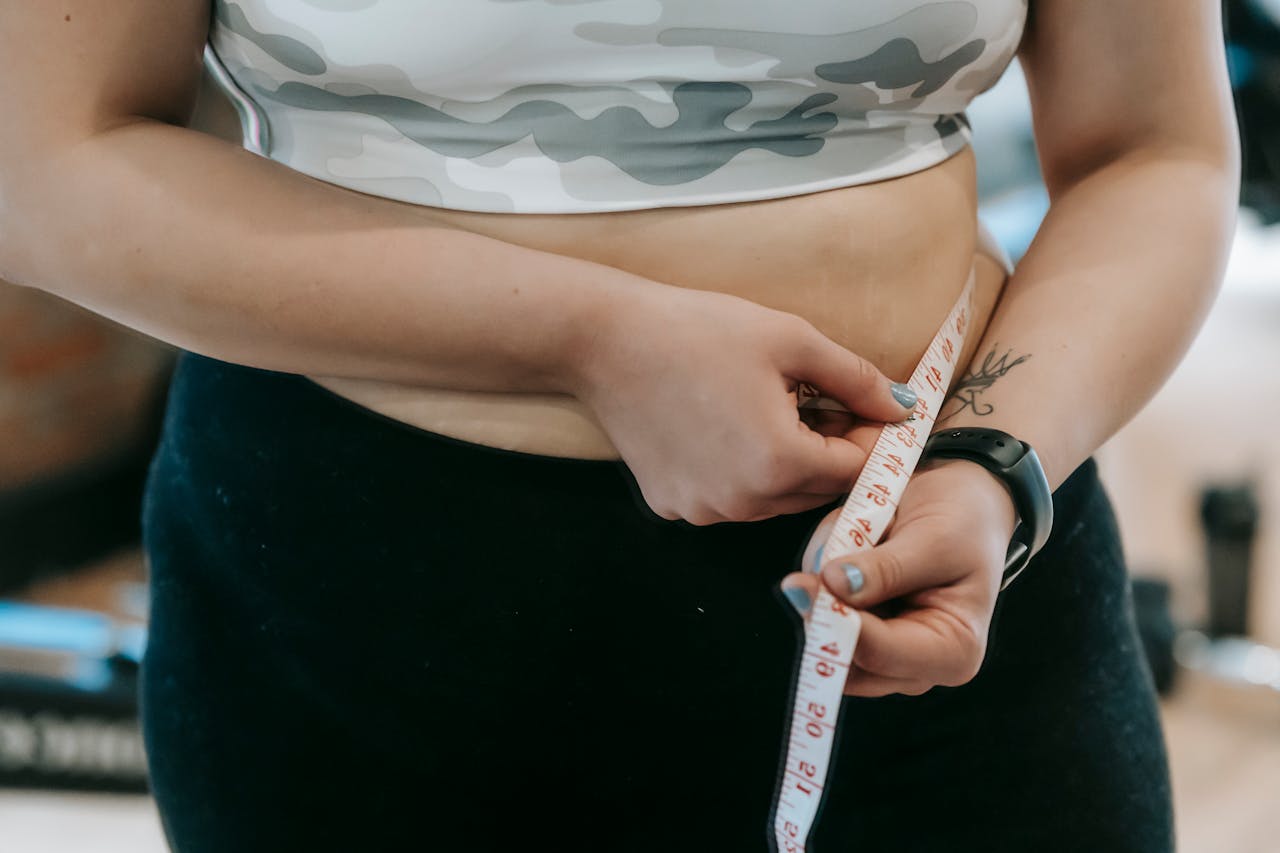
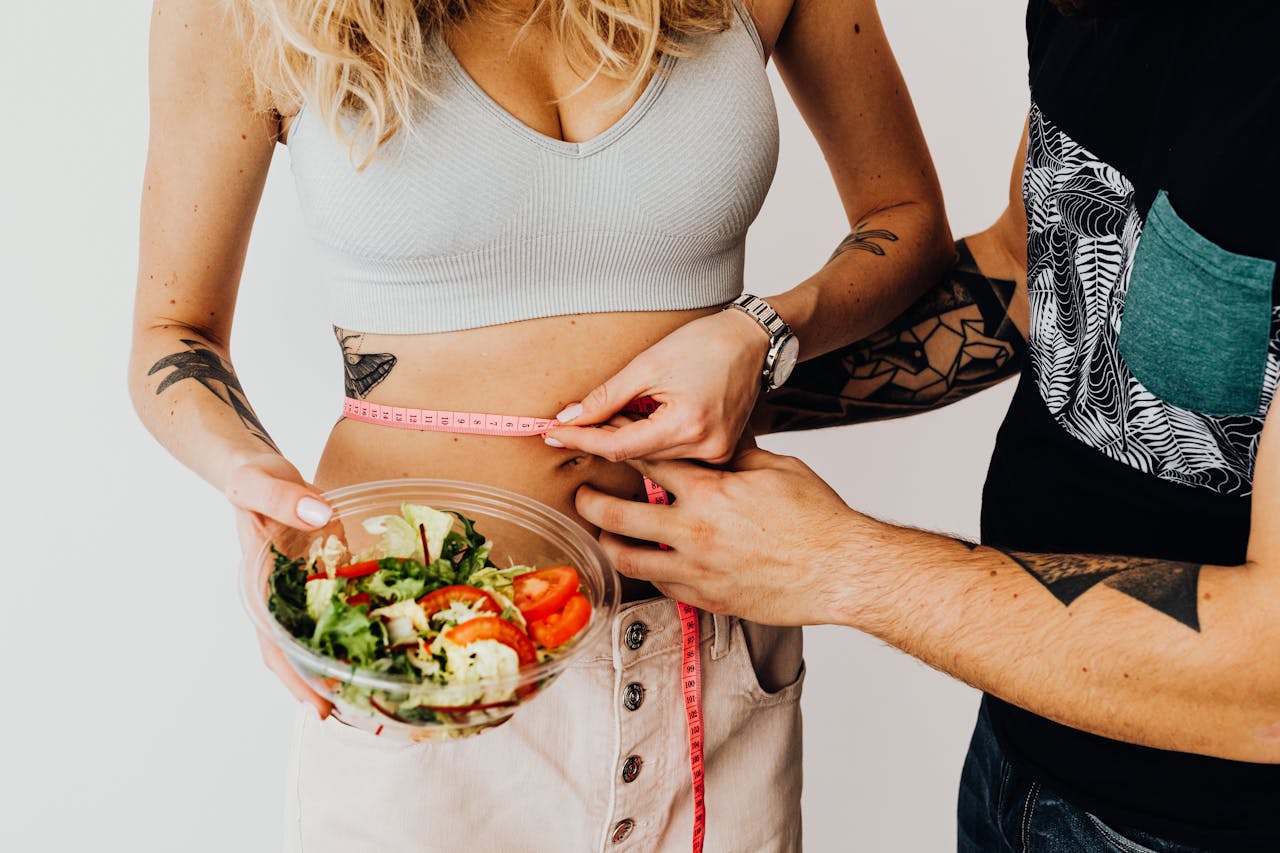
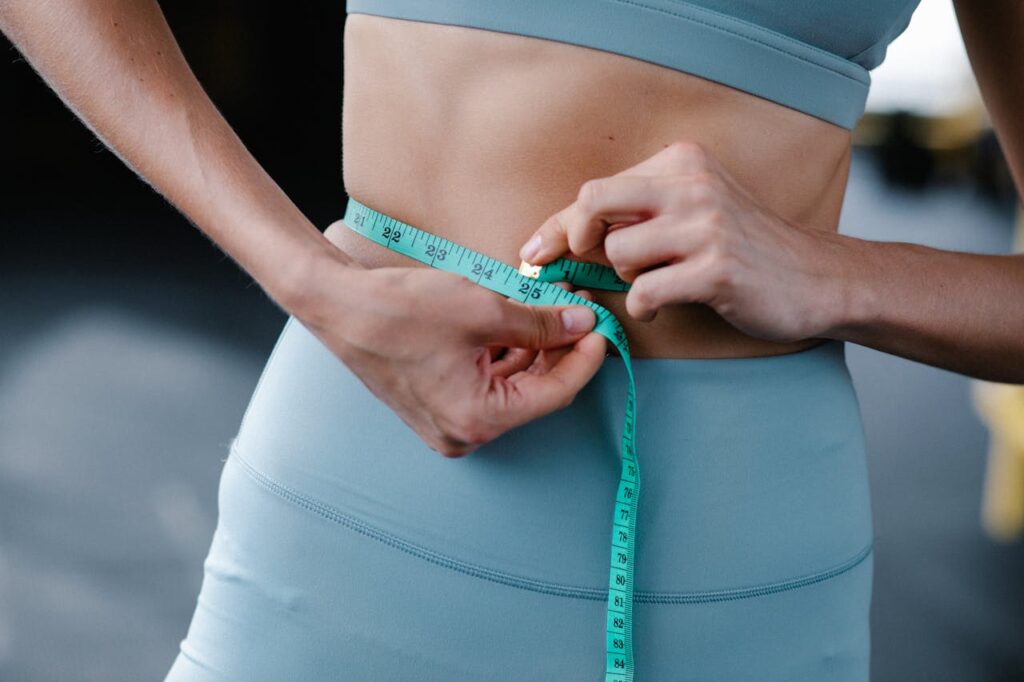
- Waist and hip measurements
- How your clothes fit
- Energy levels and mood
- Workout performance
Take weekly progress photos too. Visual changes can be incredibly motivating — even when the scale doesn’t move much.
Bonus Tips to Accelerate Your Weight Loss Plan
Want to supercharge your results? Add these proven strategies to your routine:
- Try Intermittent Fasting: Eating within a 8-hour window (e.g., 12 PM–8 PM) naturally reduces calorie intake and improves fat burning.
- Cut liquid calories: Sodas, juices, and alcohol can add 300–600 empty calories per day without making you feel full.
- Eat slowly: It takes 20 minutes for your brain to signal fullness. Eating slowly prevents overeating.
- Meal prep on Sundays: Having healthy meals ready reduces the temptation to eat junk food during busy weekdays.
- Find an accountability partner: Research shows people who have a weight-loss buddy are significantly more likely to reach their goals.
30-Day Weight Loss Plan: Quick Summary
| Week | Focus | Goal |
|---|---|---|
| Week 1 | Clean diet + light exercise | Lose 3–5 lbs |
| Week 2 | Calorie tracking + increase activity | Lose 2–4 lbs |
| Week 3 | HIIT workouts + meal prep | Lose 3–5 lbs |
| Week 4 | Maintain habits + push harder | Lose 3–6 lbs |
Total estimated loss: 11–20+ pounds, depending on starting weight and consistency.
Final Thoughts: Your Weight Loss Plan Starts Today
Losing 20 pounds in 30 days is ambitious — but with the right weight loss plan, it’s absolutely achievable. The key is consistency over perfection. You don’t have to be perfect every day; you just have to show up every day.
Start with one step: clean up your meals today. Add a 20-minute walk tomorrow. Build from there.
Your body is capable of incredible transformation. The only question is: are you ready to begin?
Frequently Asked Questions (FAQ)
1. Is it safe to lose 20 pounds in 30 days?
Losing 20 pounds in 30 days is at the aggressive end of the spectrum and may be realistic for people who are significantly overweight. Most health guidelines recommend losing 1–2 pounds per week for sustainable results. Always consult a doctor before starting any new weight loss plan, especially if you have an existing medical condition.
2. What is the best diet for a weight loss plan?
The best diet is one you can stick with long-term. High-protein, low-processed-food diets consistently show the best results for fat loss. Approaches like the Mediterranean diet, low-carb eating, or intermittent fasting are all well-supported by research. Focus on whole foods, lean proteins, vegetables, and healthy fats.
3. Can I lose weight without exercising?
Yes — diet alone can create a calorie deficit. However, combining diet with exercise speeds up fat loss, preserves muscle mass, and improves overall health. Even a 20–30 minute daily walk makes a significant difference in your weight loss plan results.
4. How much water should I drink on a weight loss plan?
Aim for at least 8–10 glasses (2–2.5 liters) of water per day. Staying well-hydrated helps control hunger, supports metabolism, and improves fat-burning efficiency. Drinking water before meals is especially effective for reducing calorie intake.
5. Why am I not losing weight even on a diet?
Common reasons include eating more calories than you realize (even from “healthy” foods), not sleeping enough, high stress levels, hormonal imbalances, or a plateau after initial weight loss. Try tracking everything you eat for a week using a calorie app — most people are surprised by the results.
6. What is the fastest way to lose belly fat?
You can’t spot-reduce fat, but certain strategies accelerate overall belly fat loss: reducing sugar and refined carbs, increasing protein intake, doing HIIT workouts, managing stress (which raises cortisol and causes belly fat storage), and getting 7–9 hours of sleep each night.